Understanding Audi Key Technology: Why Replacement Isn't Simple
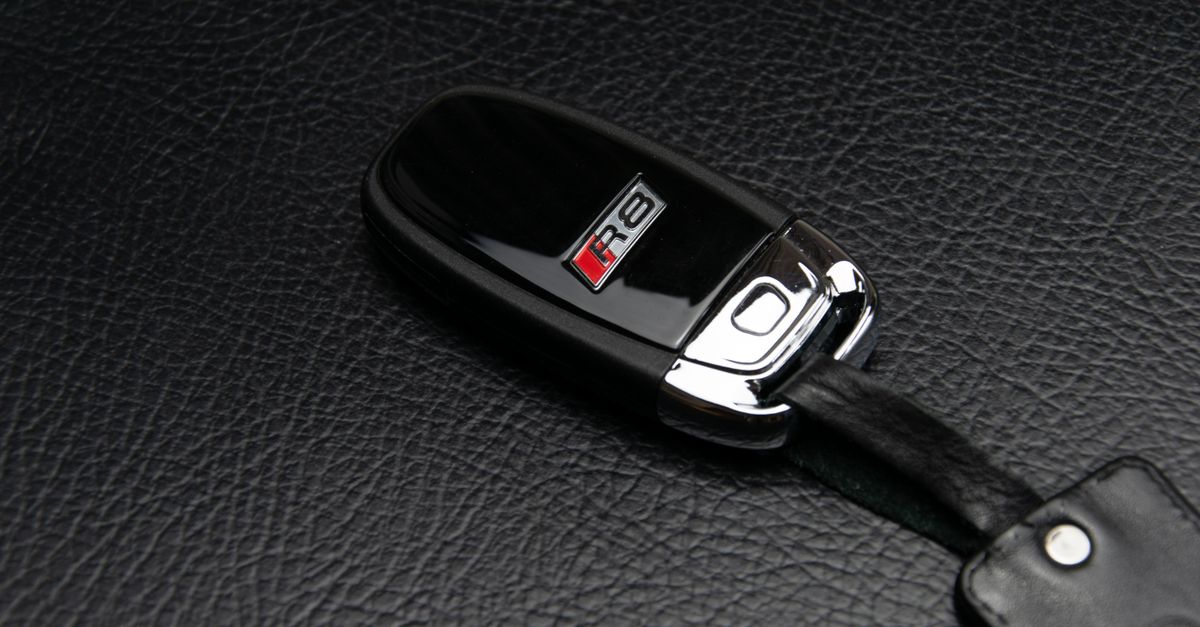
Audi has progressively layered security into its key systems over the past two decades. Older models use a basic transponder chip embedded in the key blade — when you turn the ignition, the car's immobilizer reads the chip's unique frequency and either allows or denies startup. Lose that chip, or use an unprogrammed blank, and the engine simply won't start. Mid-generation Audis stepped up to remote key fobs with rolling-code encryption, meaning the fob and the vehicle exchange a new security code every single use. More recent Audi models — particularly those equipped with Audi Advanced Key — use proximity-based smart key technology, where the vehicle senses the fob in your pocket and unlocks automatically, with push-button start. Each generation requires a different cutting method, a different programming protocol, and in some cases, specialized diagnostic software to communicate directly with the vehicle's control modules.
This is precisely why a generic hardware-store duplicate won't work for an Audi. The physical blade may match, but without the correctly paired transponder or proximity signal, the car treats it as a threat rather than an authorized key. Our technicians arrive with professional-grade automotive key programming equipment that supports Audi's proprietary protocols across model years, allowing us to generate a fully functional replacement — cut and programmed — right where your vehicle is parked.